

youth leadership
youth leadership
Program available for school class
Age: 12-18
Minimum registration: 10 Students
Duration: 90 minutes
Location: School Grounds
Instructor/Guest Speaker/Artist
Bronx community mapping
Community mapping in The Bronx is a powerful tool for understanding, representing, and strengthening neighborhoods that are often overlooked or misrepresented. At its core, community mapping is the process of documenting local spaces, resources, histories, and challenges through the perspectives of residents. In The Bronx, this practice has played a significant role in reshaping narratives about the borough, from one historically associated with decline and neglect to one recognized for resilience, culture, and community leadership.
The Bronx has long been a site of both struggle and innovation. During the late-20th century, the borough faced disinvestment, housing abandonment, and infrastructure decay. These conditions were often documented through outside perspectives that emphasized deficits rather than strengths. Community mapping emerged as a response to this imbalance. Instead of allowing outsiders to define their neighborhoods, Bronx residents began creating their own maps, ones that highlighted what mattered to them; local businesses, cultural landmarks, mutual aid networks, and everyday spaces of importance.
One of the key features of community mapping in The Bronx is its participatory nature. Residents are not simply subjects of study; they are active contributors and decision-makers. This approach ensures that maps reflect lived experiences rather than abstract data alone. For example, a traditional city map might show streets and zoning districts, but a community-generated map might include where neighbors gather, where fresh food is available, or where environmental hazards exist. These details provide a richer and more accurate picture of neighborhood life.
Community mapping projects in The Bronx often focus on identifying both assets and challenges. Asset-based mapping highlights positive features such as parks, schools, cultural institutions, and local organizations. This helps counter negative stereotypes by showcasing the vibrancy and diversity of Bronx communities. At the same time, mapping can reveal disparities, such as areas with limited access to healthcare, safe housing, or public transportation. By visualizing these inequities, residents and advocates can push for policy changes and resource allocation.
Technology has expanded the possibilities for community mapping. Digital tools like Geographic Information Systems (GIS), mobile apps, and online platforms allow residents to collect and share data more easily than ever before. However, in the Bronx, mapping is not limited to high-tech solutions. Many projects still rely on hand-drawn maps, storytelling, and community workshops. These methods are accessible and emphasize the importance of personal knowledge and collective memory. In this way, community mapping bridges the gap between technology and tradition.
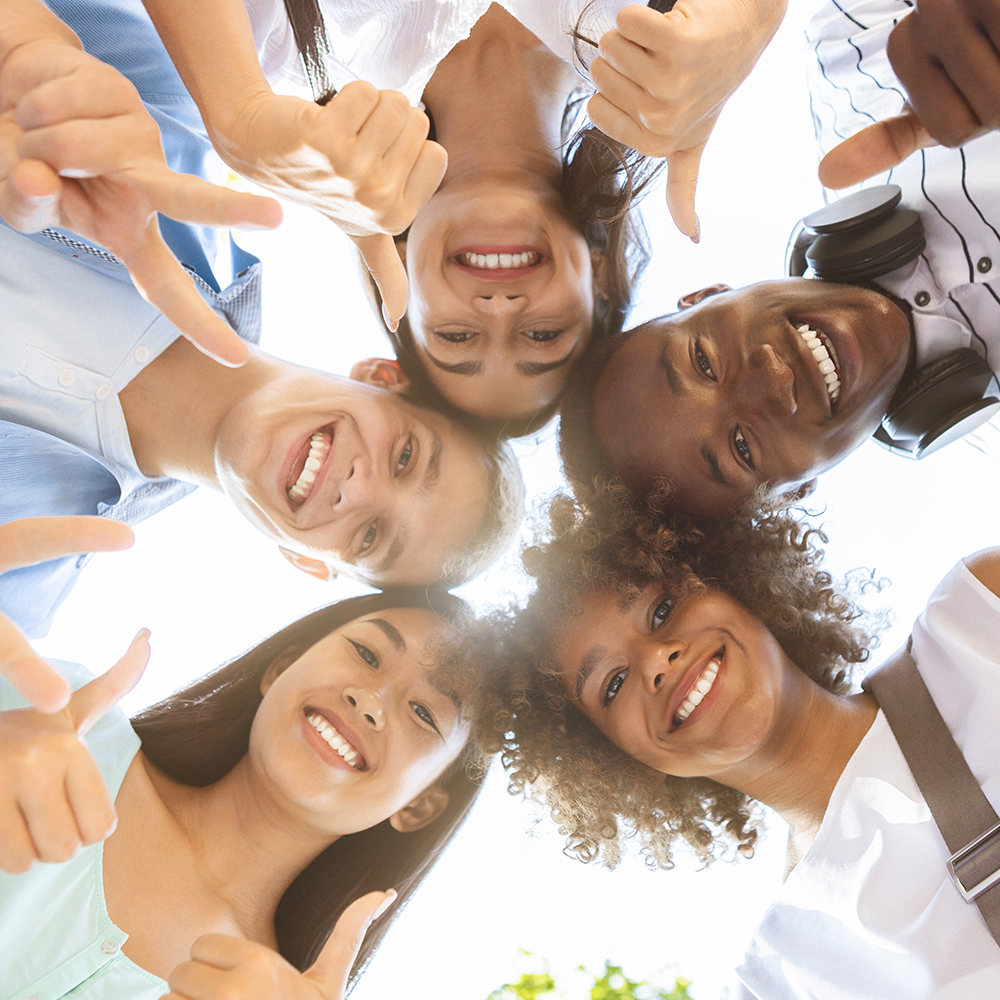
Youth participation is another critical aspect of community mapping in The Bronx. Young people often participate in mapping projects through schools, after-school programs, and community organizations. These initiatives teach valuable skills such as research, critical thinking, and collaboration. More importantly, they empower youth to see themselves as agents of change. By documenting their surroundings, young residents develop a deeper connection to their neighborhoods and a stronger sense of responsibility for their future.
Environmental justice is a common focus of Bronx community mapping efforts. The borough has historically faced issues such as air pollution, lack of green space, and industrial zoning concentrated in residential areas. Through mapping, residents can document environmental hazards and advocate for healthier conditions. For example, maps might show the proximity of schools to highways or waste facilities, helping to highlight public health concerns. These visual tools can be persuasive in campaigns for cleaner air, safer streets, and more equitable urban planning.
Cultural preservation is another important dimension of community mapping. The Bronx is home to rich cultural traditions, including music, art, and food that reflect its diverse population. Community maps often document murals, performance spaces, and local landmarks that might not appear on official maps. This helps preserve cultural heritage and ensures that it is recognized as an essential part of the borough’s identity. In neighborhoods experiencing gentrification, mapping can also serve as a form of resistance by documenting what is at risk of being lost.
Community mapping in The Bronx also fosters collaboration among residents, organizations, and institutions. Nonprofits, schools, and local government agencies often partner on mapping projects, combining resources and expertise. These collaborations can lead to more effective solutions to community issues. For example, a mapping project that identifies food deserts might lead to partnerships with local farmers’ markets or urban agriculture initiatives. By working together, stakeholders can turn data into action.

Community mapping in The Bronx is about more than creating maps, it is about reclaiming narrative power. By documenting their own neighborhoods, residents challenge stereotypes and assert their right to define their communities on their own terms. This process builds knowledge, strengthens connections, and supports advocacy for a more equitable future.
In a borough that has often been misunderstood, community mapping offers a way to see The Bronx more clearly, not just as a place with challenges, but as a dynamic, resourceful, and deeply connected community.
WHY JOIN OUR PROGRAM
At the Angellyh Yambo Foundation, we believe that the future leaders of our world are being developed right here in The Bronx and we’re committed to helping them succeed. We designed our programs to engage our youth with the outside world, giving them the tools they need for success in the future.
Positive Self Image
Increase Confidence
Create Healthy Lifestyle
Healthy Relationships
Develop Social Skills
Explore The World
YOUR DONATIONS WILL HELP OUR PROGRAMS
"Doing good in The Bronx" is all about bringing people together to positively impact their community.
P.O. Box 175
Bronx, New York 10475
Tel: 718.344.8357
Email: info@angellyhyambofoundation.org
Programs
Copyright © 2023 - Angellyh Yambo Foundation All Rights Reserved | Powered by: All City Graphix